HOW TO DRESS AGAINST HEAT
HOW DO I PROTECT MYSELF AGAINST HEAT?
PROTECT YOURSELF AGAINST HEAT AND FLAME WITH THE RIGHT WORKWEAR
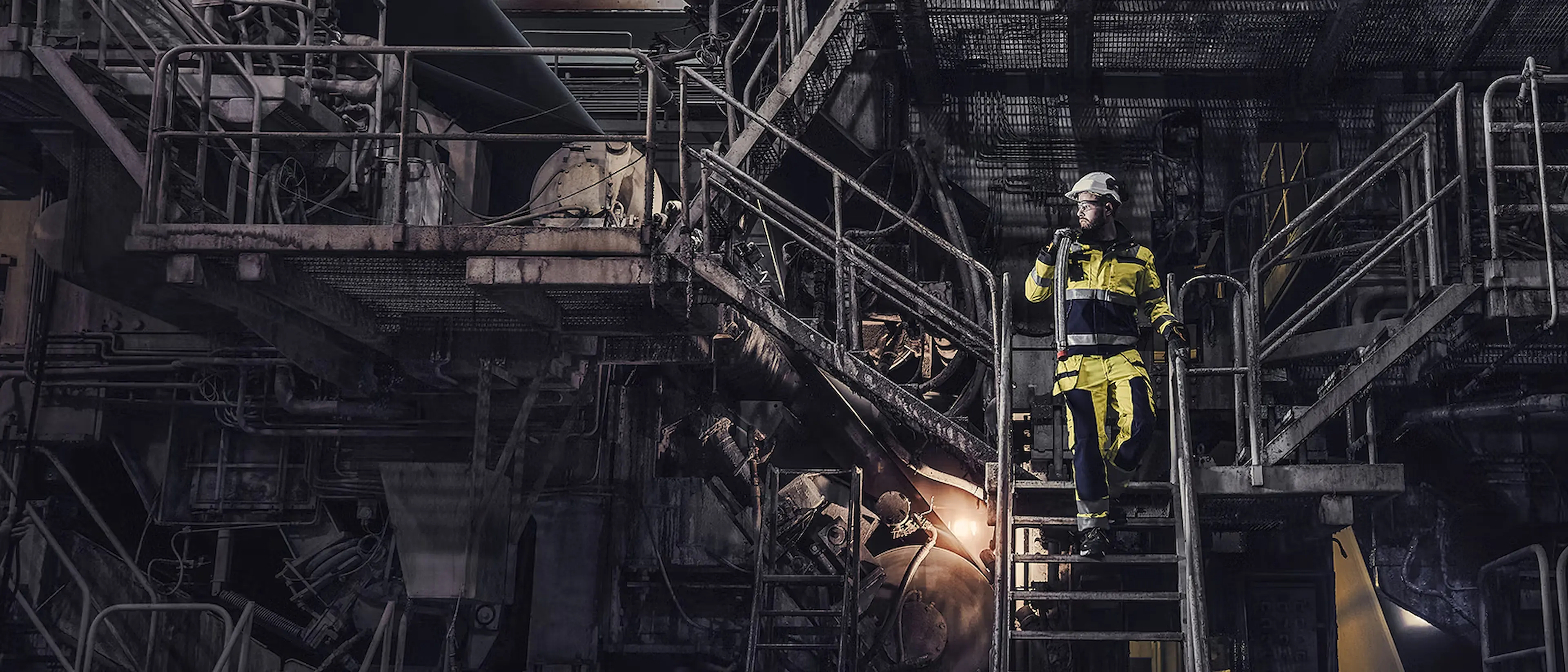
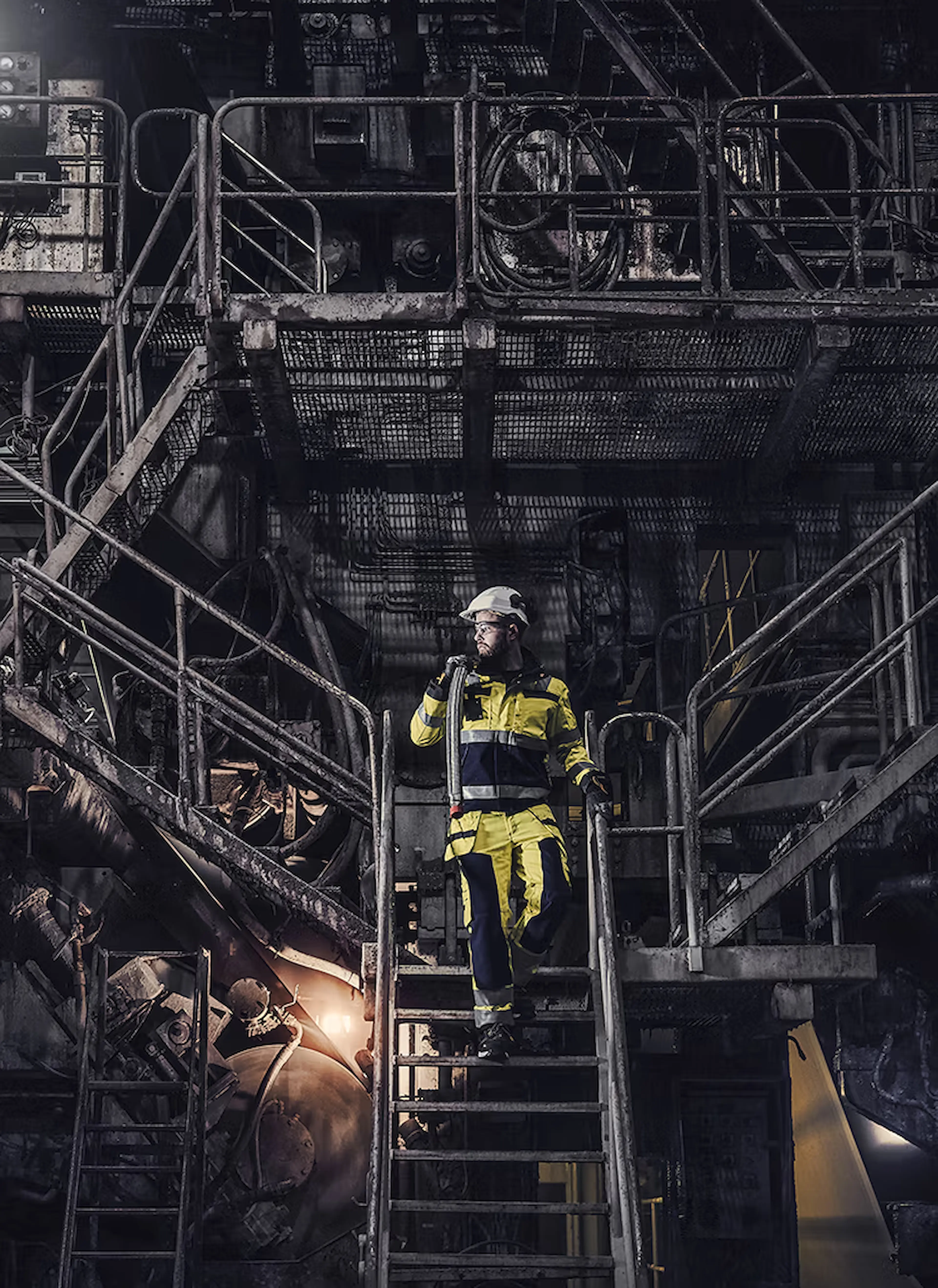
Do you work in environments where heat, flame or arc flash are risks? Then choosing the right workwear is essential for your safety. Blåkläder offers a wide range of flame-resistant and multinorm garments that combine certified protection with comfort, durability and freedom of movement.
COMMON QUESTIONS ABOUT PROTECTIVE WORKWEAR FOR HIGH-RISK ENVIRONMENTS
Which professions need flame-resistant workwear?
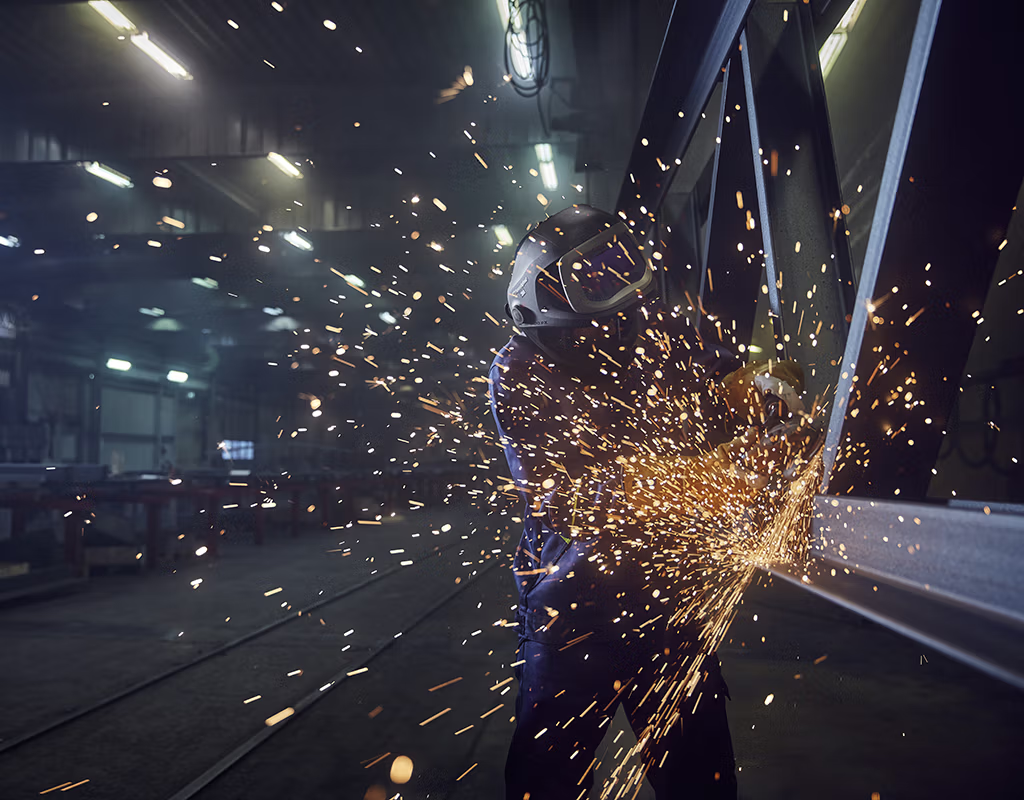
Electricians, welders and industrial workers often work in environments where heat, flame, sparks or arc flash can occur. Blåkläder garments are developed to help protect users in precisely these demanding conditions.
How does inherent flame resistance work?
Inherent flame resistance means the protection is built into the fabric’s fibre structure. It cannot be washed or worn out like a surface treatment, which helps provide long-lasting protection throughout the garment’s service life.
Can protective workwear be comfortable?
Yes. With stretch panels, lighter-weight fabrics and ergonomic design, you can get excellent mobility and comfort without compromising on certified protection.
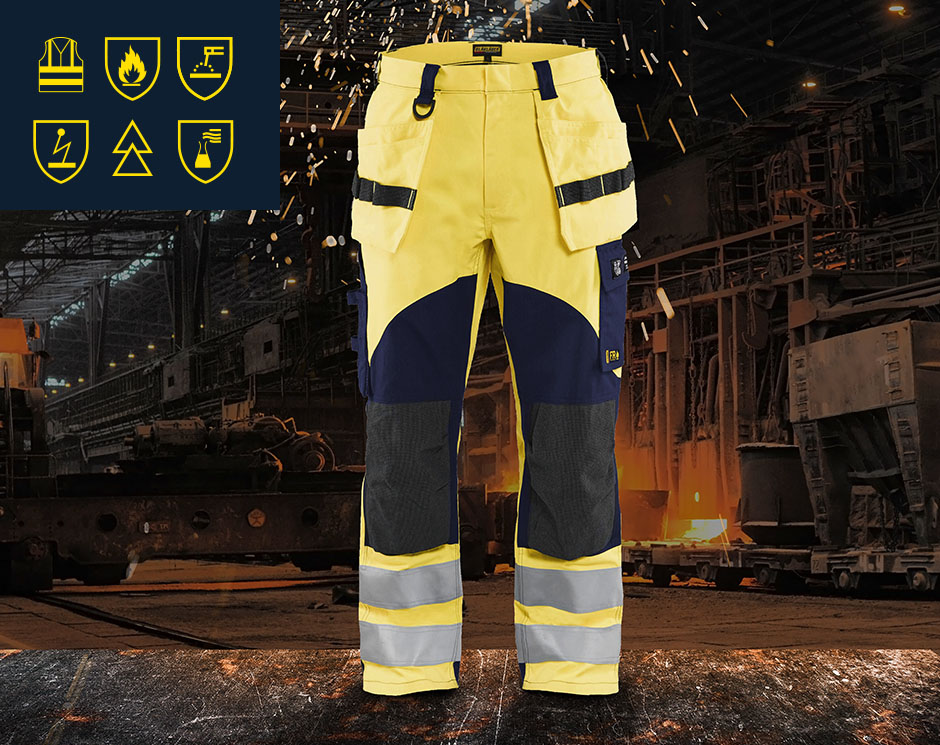
WHAT SHOULD I CONSIDER WHEN CHOOSING PROTECTIVE WORKWEAR?
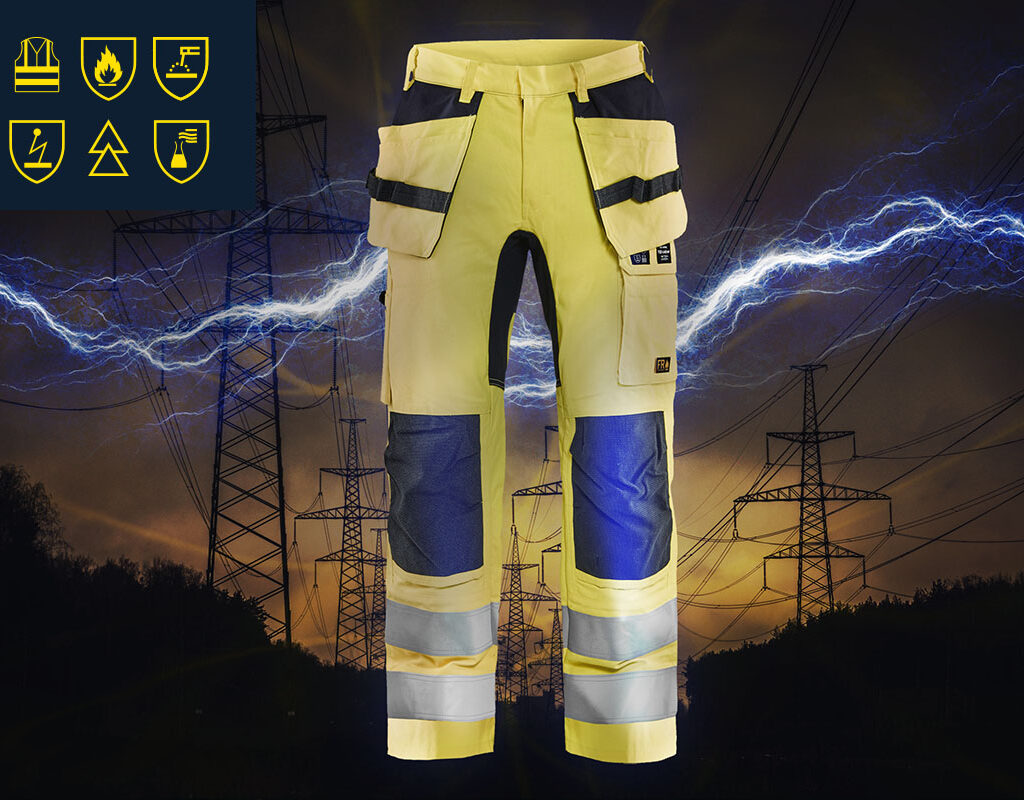
- Fabric properties: Materials such as aramid blends and cotton-rich fabrics can provide both protection and comfort. For high-risk environments, choose garments that meet the relevant standards for your work, such as EN ISO 11612 and EN 1149.
- Certifications: Check that the garments are certified for the specific risks you face. Examples include EN 61482 for arc protection and EN ISO 11611 for welding.
- Layering: Use flame-resistant garments in every layer for maximum protection. Base layers and mid layers should also be flame-resistant to help reduce the risk of burn injuries.
BLÅKLÄDER PROTECTIVE WORKWEAR – BUILT AROUND YOUR NEEDS
Inherent Lightweight
Lightweight garments with flame-resistant fibres built into the fabric. Ideal for warmer working environments where comfort and breathability are important.
Multinorm Heavyweight
Durable, cotton-rich fabrics with reinforcements for extra strength in demanding environments.
Multinorm Winter
Flame-resistant winter garments with taped seams and laminated fabrics for protection against cold, wind and rain.
Stretch garments
Protective workwear with stretch panels for greater flexibility, freedom of movement and comfort in exposed environments.
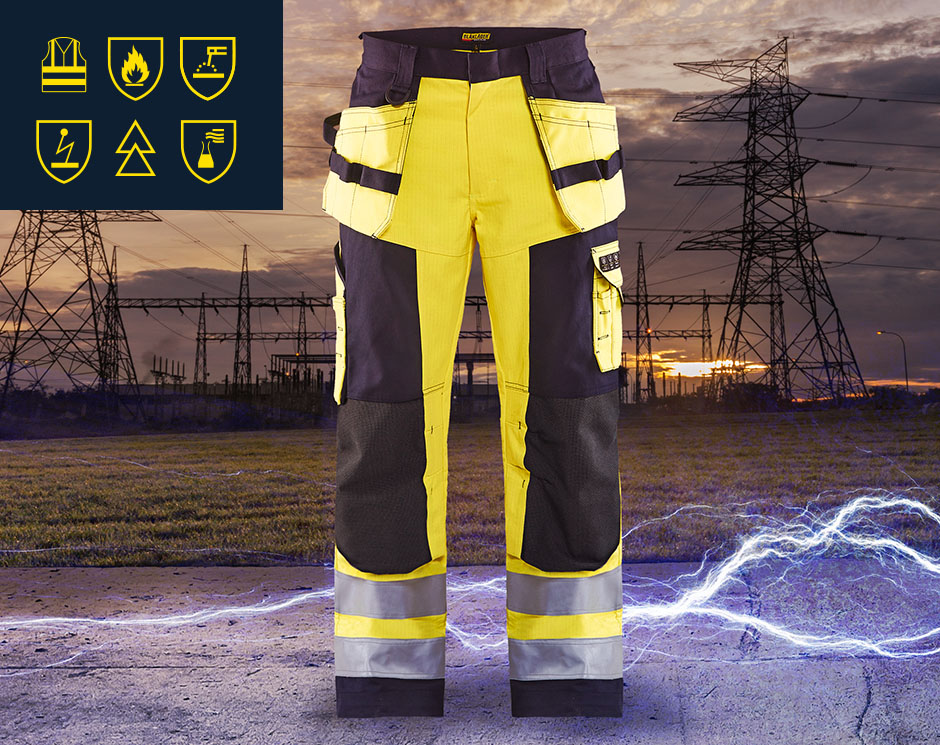
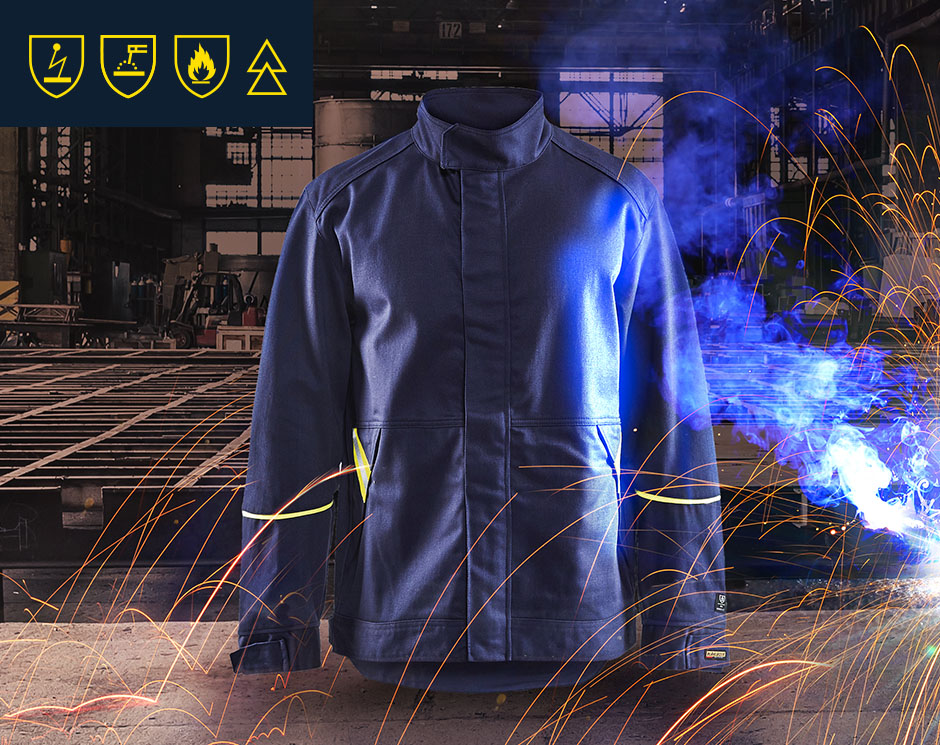
COMMON QUESTIONS ABOUT CARE AND LIFESPAN
How should flame-resistant clothing be washed?
Professional industrial laundering is recommended to help extend service life. Never use detergents containing bleach, and always follow the garment care instructions.
How long do protective garments last?
With correct care, the garments can be used for a long time without compromising their protective performance.
EXPLORE BLÅKLÄDER PROTECTIVE WORKWEAR
Blåkläder offers a wide range of flame-resistant workwear for high-risk environments. Whether you need protection against heat, flame or arc flash, we have garments designed for the job.